Stadium Architecture Designs and Their Influence on Player Movement Efficiencies in Field-Based Team Sports
Zoe Ludwig · Oct 3, 2026
Stadium Architecture Designs and Their Influence on Player Movement Efficiencies in Field-Based Team Sports
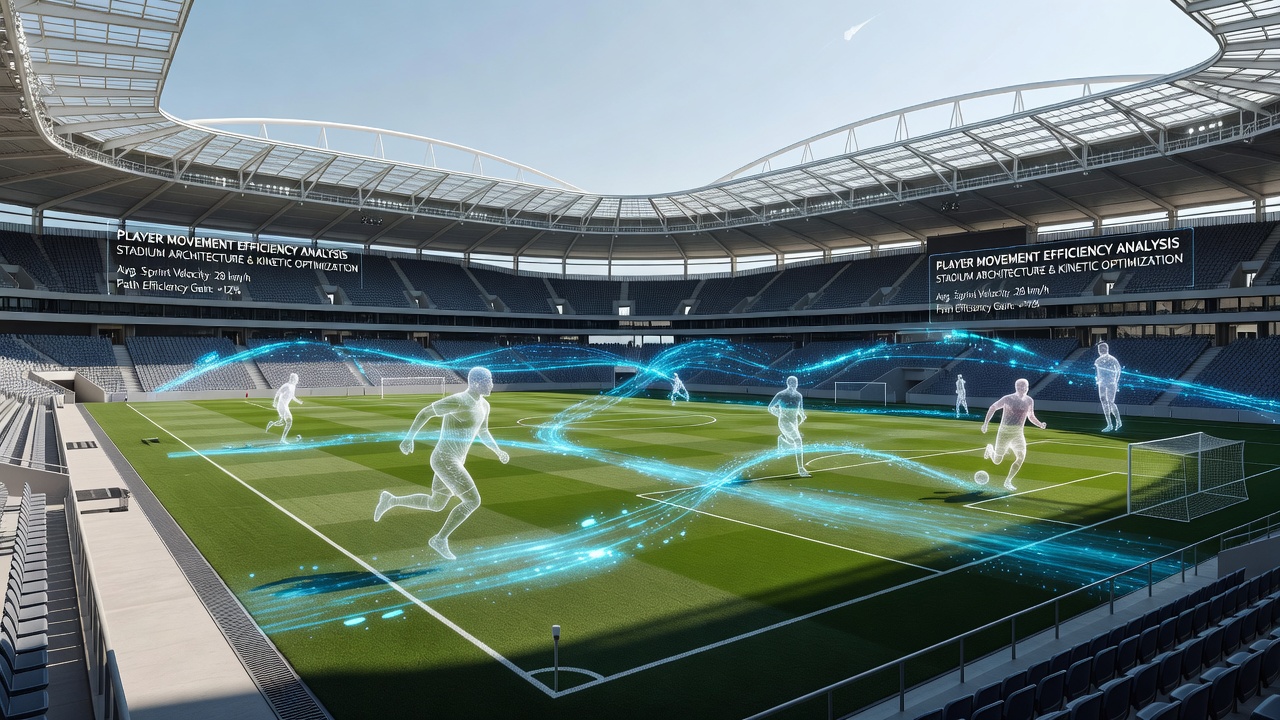
Stadium architecture designs connect directly with player movement efficiencies through factors such as field dimensions, surface materials, and structural layouts that shape running paths and positioning strategies in sports including soccer, American football, and rugby. Data from venue analyses indicate that rectangular pitches with standardized lengths between 100 and 110 meters allow midfielders to cover greater distances at consistent speeds, whereas irregular boundary configurations force adjustments in acceleration patterns during matches.
Key Design Elements Affecting Movement Patterns
Researchers have documented how perimeter fencing heights and seating bowl angles alter wind flow across playing surfaces, which in turn influences ball trajectory and requires players to modify their sprint angles accordingly. Studies conducted by institutions in Australia reveal that enclosed stadiums with steep rake angles reduce cross-breezes, leading teams to adopt tighter formation spacing that minimizes lateral movements by up to 15 percent during high-pressure sequences.
Grass type selections further intersect with these structural choices, as hybrid turf systems installed in European venues maintain consistent traction levels that support sharper directional changes compared to natural grass fields exposed to variable sunlight patterns through open roof sections. Observers note that these surface consistencies enable defenders to maintain optimal distances from attackers without excessive energy expenditure over full 90-minute durations.
Comparative Analysis Across Different Sports
American football fields measuring exactly 120 yards including end zones create linear movement corridors that favor straight-line accelerations, while rugby pitches with additional width allowances encourage wider lateral distributions among backline players. Data collected from professional leagues shows that stadiums incorporating retractable seating modules permit rapid reconfiguration between codes, resulting in teams recalibrating their high-intensity running volumes within the same physical space across consecutive events.
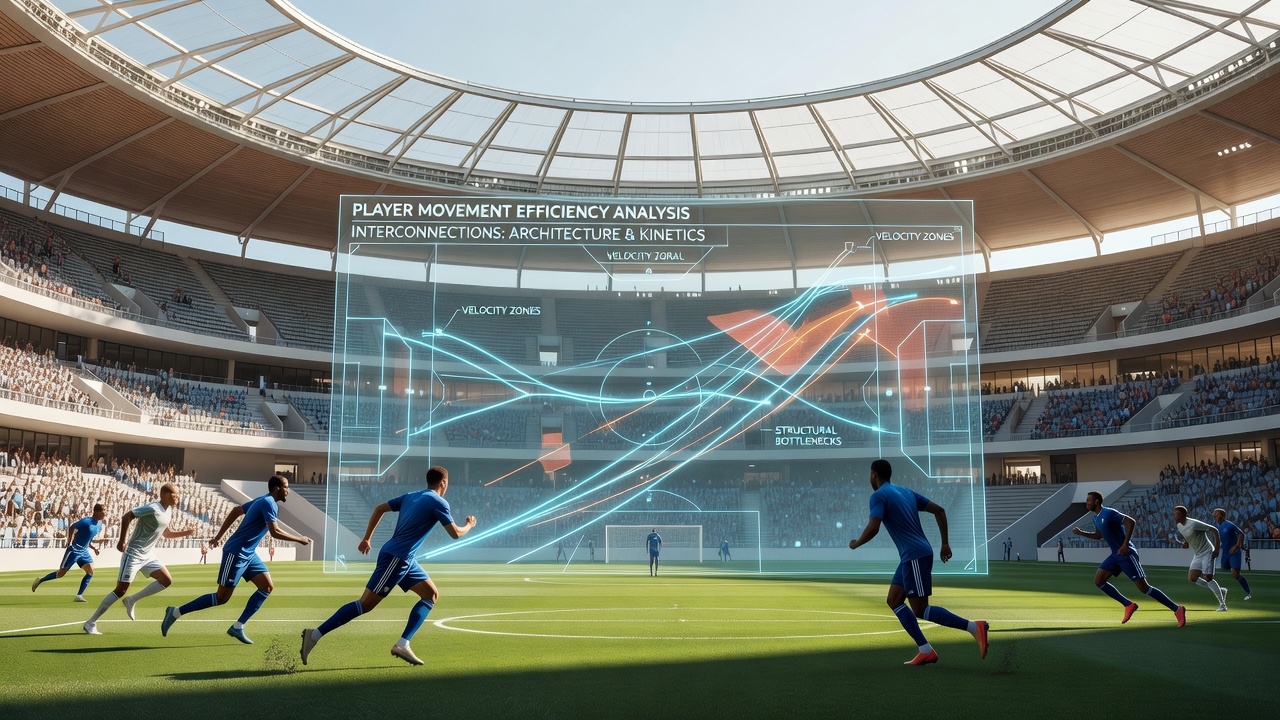
Lighting rig placements positioned at specific elevations above the pitch reduce shadow zones that might otherwise disrupt visual tracking during evening fixtures, allowing midfielders to sustain higher average velocities without frequent pauses for orientation. Figures from North American venue reports demonstrate that integrated drainage systems beneath artificial surfaces prevent water accumulation, thereby preserving consistent footing that supports uninterrupted transition plays in both soccer and lacrosse contests.
Technological Integration and Performance Data
Player tracking systems installed within stadium frameworks capture real-time positional data that architects now incorporate into future venue blueprints, creating feedback loops where movement heatmaps directly inform adjustments to goalpost placements and corner flag positions. One analysis from Canadian research facilities highlighted correlations between corner kick execution efficiencies and the proximity of crowd barriers, noting reduced hesitation times when sightlines remain unobstructed by structural pillars.
Multi-tiered stands with varying overhang depths also modulate acoustic reflections that teams use as auditory cues during set-piece routines, though these same features occasionally introduce minor reverberation delays in larger configurations. Evidence gathered across South American and Asian facilities indicates that modular pitch extensions used for concerts versus matches maintain uniform hardness ratings that prevent players from altering their stride lengths mid-game.
Regional Variations in Implementation
Venues in warmer climates often feature shaded spectator areas that indirectly affect field temperatures through reduced radiant heat buildup, prompting teams to adjust their pressing intensities during afternoon slots. According to reports from the Australian Institute of Sport, these environmental controls correlate with sustained high-speed running outputs throughout tournament schedules spanning multiple weeks.
European regulatory standards on minimum sightline distances have prompted redesigns that reposition technical areas farther from touchlines, which data shows decreases referee interference with player positioning during throw-ins and restarts. Such modifications integrate seamlessly with existing movement optimization frameworks already embedded in training protocols across global competitions.
Conclusion
Stadium architecture continues to evolve alongside advancements in movement analytics, producing venues that align structural features with the biomechanical demands of field-based team sports. Ongoing measurements from professional matches provide architects with precise metrics for refining layouts that support efficient player navigation while maintaining safety and regulatory compliance across diverse geographic regions.