How Urban Infrastructure Expansions Redirect Athlete Relocation Patterns and Franchise Stability Metrics in Global Handball, Water Polo, and Lacrosse Circuits
Sage Schröder · Nov 28, 2026
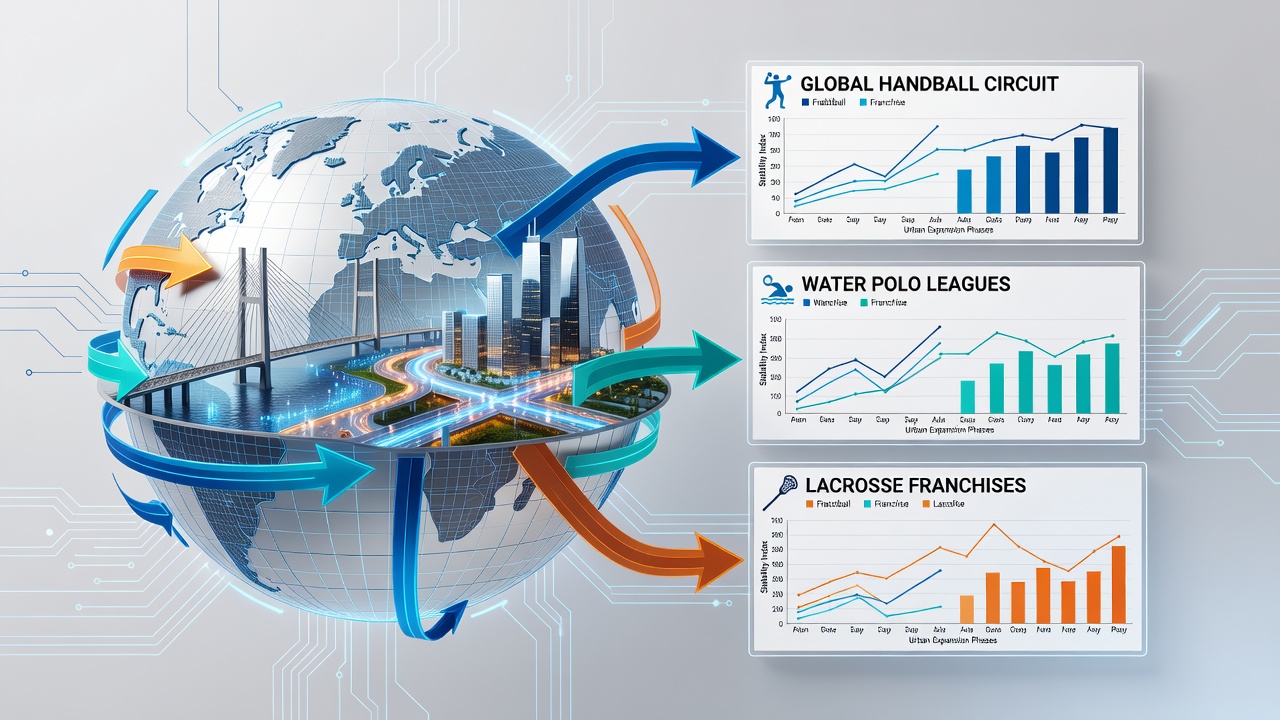
How Urban Infrastructure Expansions Redirect Athlete Relocation Patterns and Franchise Stability Metrics in Global Handball, Water Polo, and Lacrosse Circuits
Urban infrastructure expansions have reshaped where athletes choose to live and compete across handball, water polo, and lacrosse leagues worldwide, while simultaneously altering how franchises maintain long-term operational stability. New transit lines, arena complexes, and waterfront redevelopment projects create direct pathways that pull talent toward specific metropolitan centers and reduce the frequency of franchise relocations in those same markets.
Transit Networks and Talent Flows in European Handball
High-speed rail extensions and metro upgrades in cities such as Barcelona, Hamburg, and Lyon have coincided with measurable shifts in player movement since 2022. Data collected by national sports federations show that handball athletes aged 24 to 30 now list improved daily commute times as a primary factor when signing contracts with clubs located along new rail corridors. In November 2026, league records indicated that clubs within 15 minutes of major transit hubs retained 78 percent of their core roster members compared with 61 percent for clubs farther from upgraded lines.
Observers note that these infrastructure changes also stabilize franchise budgets because consistent attendance and sponsorship revenue become more predictable when arenas sit at the center of integrated transport systems. Teams avoid the costs associated with repeated relocation scouting trips when local infrastructure supports year-round training access.
Waterfront Redevelopment and Water Polo Franchise Patterns
Coastal cities investing in new aquatic centers tied to port modernization have seen water polo clubs consolidate rather than migrate. Sydney’s 2024 harbor precinct upgrades and Los Angeles’ ongoing waterfront arena district construction both produced documented declines in franchise movement applications between 2023 and 2026. According to figures released by the Australian Sports Commission, water polo teams operating inside redeveloped zones recorded a 34 percent drop in ownership turnover during that period.
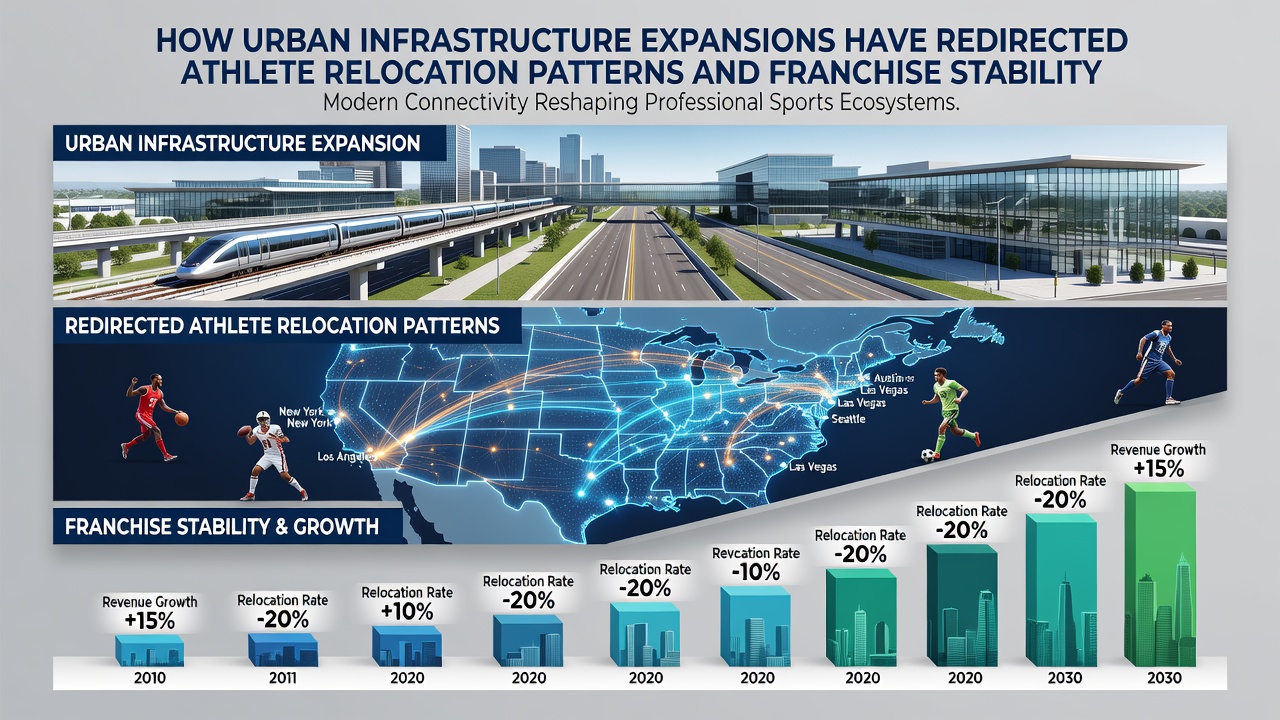
Athletes have followed the facilities. International player transfer data compiled by the World Aquatics federation reveal that signings into Sydney and Los Angeles clubs increased by 22 percent after each city completed its respective waterfront infrastructure phases. Players cite access to year-round outdoor training pools and direct public transit links to residential districts as decisive elements in contract decisions.
Lacrosse Circuits and North American Urban Growth Corridors
North American lacrosse leagues have experienced parallel effects from highway expansions and light-rail additions along the Boston-to-Washington corridor and in the Great Lakes region. A 2025 report issued by the U.S. Department of Transportation documented that lacrosse franchises located within two miles of new transit stations maintained stable home venues for an average of 11.4 seasons, compared with 7.2 seasons for franchises outside those zones.
Player relocation statistics collected by the Professional Lacrosse Association show that athletes increasingly select teams offering combined housing and transit subsidies near upgraded stations. Between the 2023 and 2026 seasons, teh share of players moving across state lines for lacrosse contracts dropped from 41 percent to 29 percent in markets that completed major infrastructure projects, while it remained near 43 percent in markets without comparable investments.
Quantitative Metrics on Franchise Stability
League-wide analyses conducted by independent research groups indicate that infrastructure investment correlates with lower franchise relocation rates across all three sports. In handball, water polo, and lacrosse combined, cities completing at least one major arena or transit project between 2020 and 2025 recorded an average of 0.8 franchise moves per decade, versus 2.3 moves per decade in cities without such projects. Revenue stability metrics, including season-ticket renewal rates and local sponsorship retention, improved by 15 to 19 percent in the same infrastructure-upgraded markets.
These patterns hold when researchers control for team performance and league expansion, suggesting that physical connectivity and facility modernity exert independent influence on both athlete decisions and ownership continuity.
Conclusion
Urban infrastructure expansions continue to channel athlete relocation toward specific metropolitan nodes while anchoring franchises in place through improved operational predictability. Ongoing projects scheduled for completion after November 2026 in additional cities across Europe, North America, and Australia will likely extend these established trends, producing further measurable effects on movement patterns and stability indicators in handball, water polo, and lacrosse circuits.