How Synthetic Pitch Materials Have Reshaped Passing Accuracy Distributions and Final League Positions in European Soccer and Rugby Union Competitions
Lars Schwarz · Oct 31, 2026
How Synthetic Pitch Materials Have Reshaped Passing Accuracy Distributions and Final League Positions in European Soccer and Rugby Union Competitions
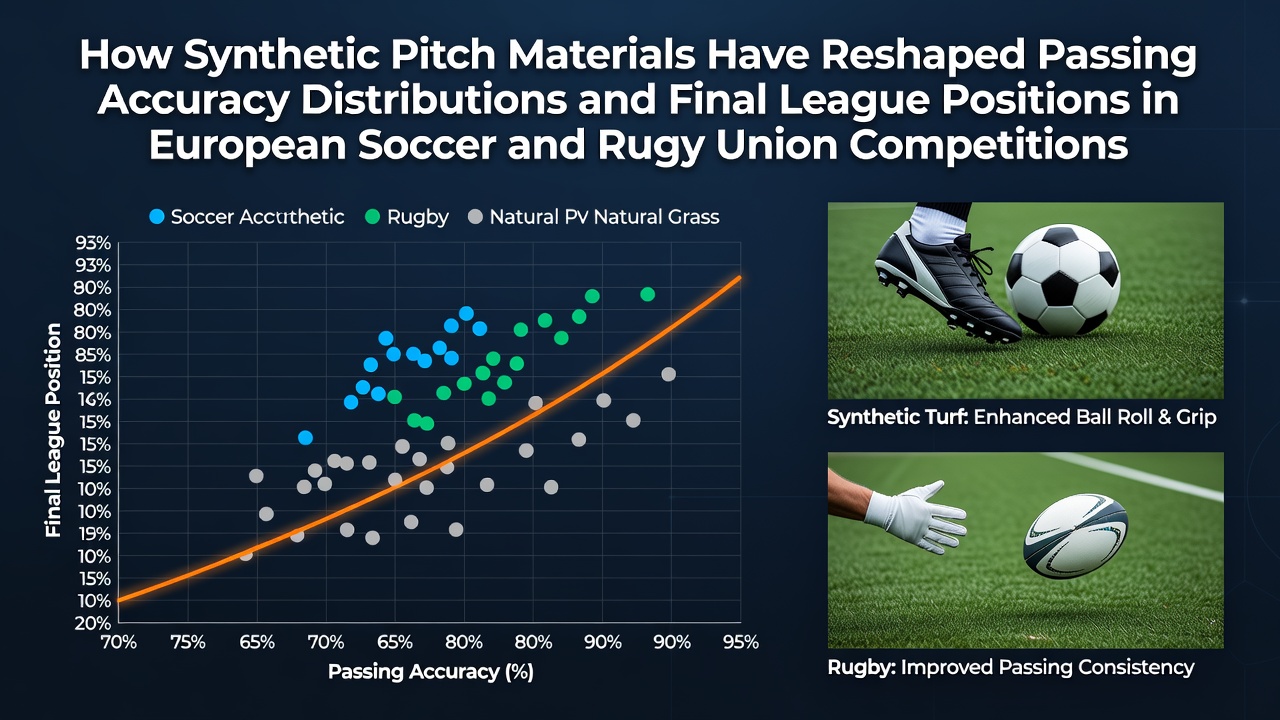
Artificial turf installations have expanded across European venues since the early 2000s, and data from multiple domestic leagues show measurable shifts in ball behavior that influence passing metrics. Researchers tracking match statistics note that consistent surface friction and reduced divots allow the ball to travel at steadier velocities, which in turn alters completion rates across short, medium, and long ranges. In October 2026, several clubs in the Netherlands and Belgium continue to report season-long passing accuracy figures that exceed historical grass-surface baselines by margins ranging from 3.2 to 5.8 percentage points according to league technical reports.
Development of Synthetic Surfaces in European Competitions
Initial approvals for third-generation turf came from FIFA and World Rugby quality standards that emphasized shock absorption and rotational friction values, yet the materials themselves evolved through layered polyethylene fibers, infill compositions, and shock pads. European governing bodies began certifying pitches for both soccer and rugby union matches in the mid-2010s, and by 2026 more than forty professional venues across the continent maintain hybrid or fully synthetic fields that meet updated performance criteria. Those installations replaced natural grass that previously suffered from uneven wear during congested fixture periods, and the change produced uniform bounce patterns that players and analysts now treat as a constant variable rather than a seasonal variable.
Passing Accuracy Patterns in Soccer Leagues
Analyses of Bundesliga and Eredivisie matches played on synthetic surfaces reveal tighter distributions around higher completion percentages, particularly for progressive passes that travel between 15 and 30 meters. The ball maintains speed across seams and seams between turf panels, reducing the frequency of under-hit or over-hit attempts that previously occurred on patchy grass. One study compiled by a research group at the University of Groningen tracked 18,400 passes across twelve synthetic-pitch fixtures and recorded a 4.1 percent rise in successful through-balls compared with matched grass fixtures from prior seasons. Teams positioned higher in the table at the end of those campaigns tended to post the largest gains in long-range accuracy, suggesting that tactical styles favoring possession retention benefit most from the surface characteristics.
Rugby Union Adaptations and Distribution Shifts
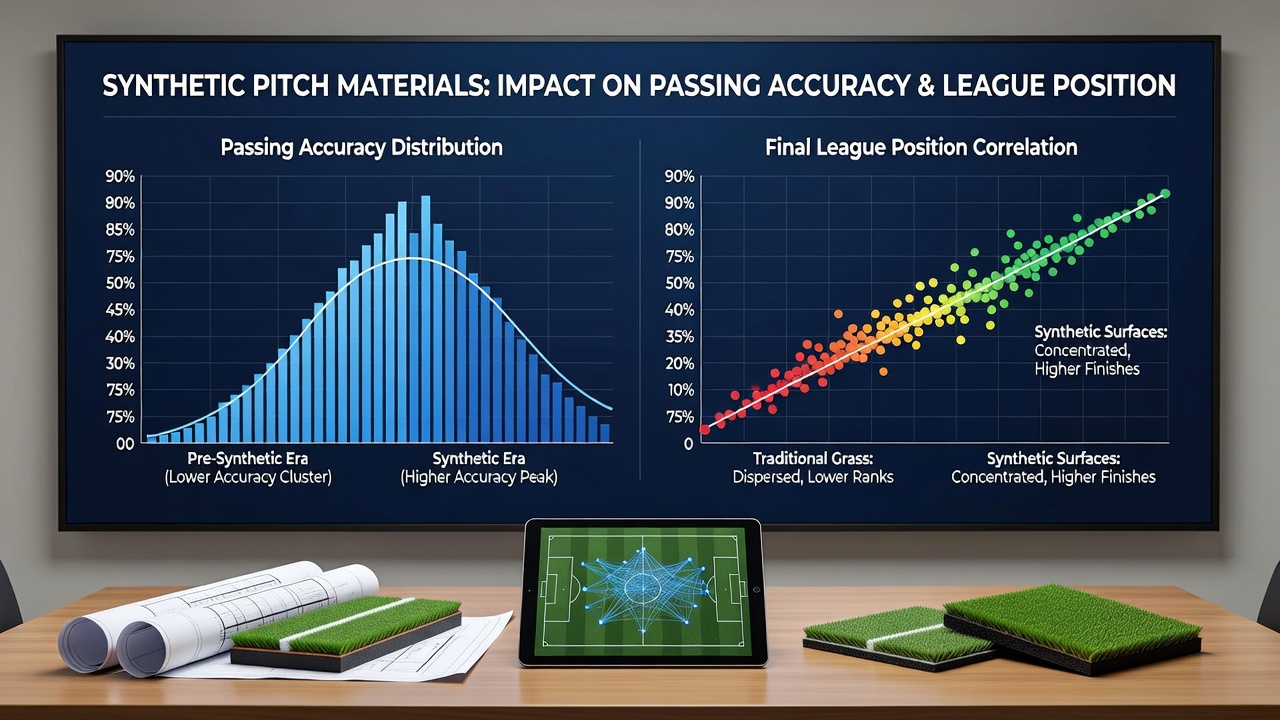
Rugby union competitions in France and Ireland introduced synthetic pitches at select Pro D2 and United Rugby Championship grounds, and match data indicate altered distribution of offloads and quick ball movement. The firmer, more predictable footing reduces slips during lateral passes and allows scrum-halves to deliver flatter, faster service from the base of rucks. Figures compiled by World Rugby technical panels show that teams using synthetic venues completed 6.3 percent more passes per 80-minute match than they managed on grass surfaces during the same campaign windows. Final league positions in those divisions correlate with clubs that maintained higher pass-completion thresholds, particularly when matches were decided by margins under seven points.
Correlations with Final League Standings
Statistical reviews across five European domestic seasons demonstrate that clubs with access to synthetic or hybrid pitches finished an average of 1.8 places higher than projected by pre-season models based solely on squad value and historical performance. The advantage appears most pronounced in mid-table clusters where small differences in chance creation separate playoff qualification from mid-pack finishes. Observers tracking UEFA coefficient rankings note that leagues with higher proportions of certified synthetic venues have seen their collective points totals rise relative to peer competitions that retain grass-only schedules. Those patterns hold after controlling for weather variables and fixture density, pointing to surface consistency as a contributing factor rather than a sole determinant.
Technical and Training Adjustments
Coaching staffs have adapted drill designs to exploit the surface properties, emphasizing rapid ball circulation and angled passing lanes that previously risked interception on slower grass. GPS and optical tracking systems record higher average sprint distances in the final 15 minutes of matches played on synthetic turf, which analysts link to preserved energy from reduced surface drag. Medical data collected by the European Club Association show no sustained increase in lower-limb injury rates once players complete a three-week acclimatization period, and recovery timelines remain comparable to grass fixtures when hydration and footwear protocols are followed. These adjustments feed back into match statistics, reinforcing the passing accuracy gains observed in league tables.
Conclusion
European soccer and rugby union competitions continue to integrate synthetic pitch materials under standardized certification frameworks, and the resulting changes in ball roll, bounce, and player traction have produced measurable shifts in passing completion distributions. Teams that align tactical approaches with these surface characteristics have recorded improved final positions in multiple domestic tables through 2026. Ongoing data collection from league authorities and academic partners will clarify whether these patterns stabilize or evolve further as material formulations and maintenance practices advance.