How Equipment Innovations Have Recalibrated Strength and Precision Benchmarks Among Competitors in Weightlifting, Archery, and Fencing Circuits
Lars Schwarz · Oct 17, 2026
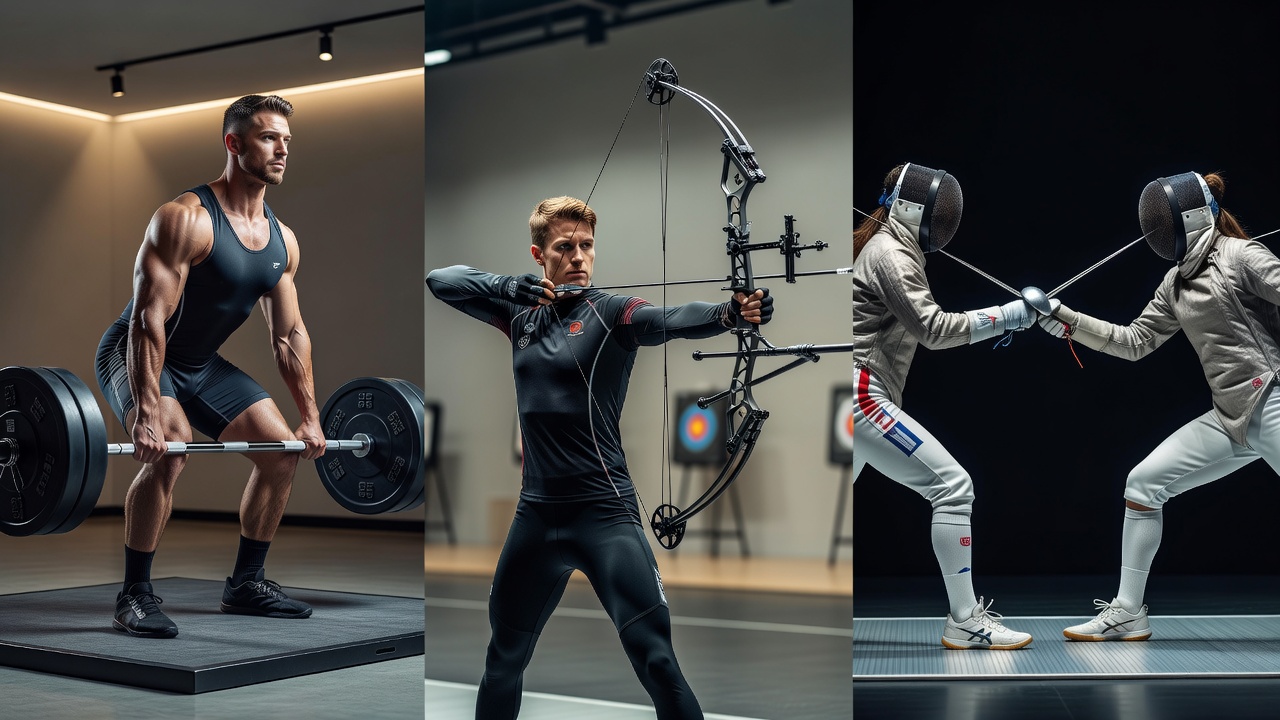
How Equipment Innovations Have Recalibrated Strength and Precision Benchmarks Among Competitors in Weightlifting, Archery, and Fencing Circuits
Equipment changes across weightlifting, archery, and fencing have shifted performance records in measurable ways since the early 2000s, and observers note continued adjustments through October 2026. New materials and design refinements allow athletes to handle greater loads while maintaining stability in weightlifting, while archery competitors achieve tighter groupings at longer distances, and fencers register faster, more accurate touches during bouts. Data from governing bodies show these shifts appear in official records rather than isolated cases.
Weightlifting Equipment Developments
Researchers tracking international competitions report that bars constructed with higher-grade steel alloys and refined knurling patterns reduce slippage under heavy loads, which correlates with incremental gains in snatch and clean-and-jerk totals at World Championships and Olympic events. Plates made from denser rubber compounds maintain structural integrity during drops, and this durability lets lifters attempt maximal efforts without equipment failure interrupting attempts. Suits incorporating elastic panels around the thighs and torso provide compression that supports joint alignment during the second pull phase, and multiple studies link these garments to slight increases in peak force output recorded by force plates at training facilities.
Observers note that the International Weightlifting Federation updated bar specifications in recent cycles to accommodate these material upgrades, and federations in Australia and Canada have documented corresponding rises in national records since the revisions took effect. Training logs from several national programs indicate athletes now incorporate higher volume at percentages above 90 percent of one-rep max because the equipment tolerates repeated stress without deformation.
Archery Precision Tools
Archery equipment has undergone parallel refinements that affect aiming stability and arrow flight consistency. Carbon-fiber limbs paired with machined risers reduce overall mass while preserving stored energy, and this combination allows archers to hold at full draw for extended periods without excessive muscular fatigue. Sights equipped with micro-adjustment mechanisms and vibration-dampening mounts enable finer windage and elevation corrections, and data collected at World Archery events show reduced dispersion in arrow groups at 70 meters compared with equipment used two decades earlier.
Arrows fitted with narrower shafts and low-profile vanes cut aerodynamic drag, which in turn supports higher velocities and flatter trajectories under varying wind conditions. Federations report that compound bow draw weights have stabilized around optimized levels because cam systems now transfer energy more efficiently, and these mechanical improvements appear in score sheets from continental tournaments. Equipment manufacturers have introduced limb tuning devices that let technicians match bow characteristics to individual athlete biomechanics, and programs in the European Union have integrated these tools into routine preparation cycles.

Fencing Circuit Adaptations
Fencing blades and protective gear have incorporated lighter composites and improved electrical conductivity for scoring systems, and these changes influence both offensive speed and defensive reaction times. Masks with enhanced ventilation and lighter mesh materials reduce visual obstruction while maintaining safety standards, and athletes report sustained focus during longer pool rounds. Body cords and lame fabrics with lower resistance improve signal transmission to scoring boxes, which decreases the number of inconclusive touches that previously required video review.
Weapon manufacturers have refined tip assemblies on épée and foil to register contact with greater sensitivity thresholds, and this calibration affects the frequency of valid hits recorded in Fédération Internationale d'Escrime events. Grip designs featuring textured surfaces and ergonomic shaping allow fencers to maintain consistent hand positioning through rapid sequences, and biomechanical analyses from training centers indicate these modifications correlate with measured reductions in recovery time between actions. National programs in multiple regions have adopted standardized testing protocols for new equipment batches to ensure compliance with updated technical requirements.
Integrated Effects Across Disciplines
Cross-sport comparisons reveal that equipment standardization efforts have produced parallel benchmark shifts rather than isolated anomalies. Weightlifters, archers, and fencers all operate under rules that permit certified innovations while preserving competitive equity, and governing bodies publish annual equipment lists that reflect ongoing material testing. Training facilities increasingly use sensor arrays embedded in bars, bows, and blades to capture force and timing data that athletes then review to adjust technique.
Records maintained through October 2026 demonstrate steady progression in both strength metrics and precision scores across the three sports, and these trends align with the introduction timelines of specific equipment upgrades. Analysts at research institutions continue to examine how these tools interact with athlete physiology, yet the primary evidence remains the competition results themselves.
Conclusion
Equipment innovations in weightlifting, archery, and fencing have produced documented recalibrations in strength and precision benchmarks, and these changes continue to appear in official records and training data. Continued refinement of materials and scoring technologies suggests further adjustments will occur as federations evaluate new submissions, while athletes adapt their preparation to leverage the available tools within existing regulations.